
Andong salted mackerel: how did it become a specialty of a mountain town with no sea?
Andong is inland. The sea is more than a hundred li away. And yet this city's signature dish is mackerel. The reason is salt.

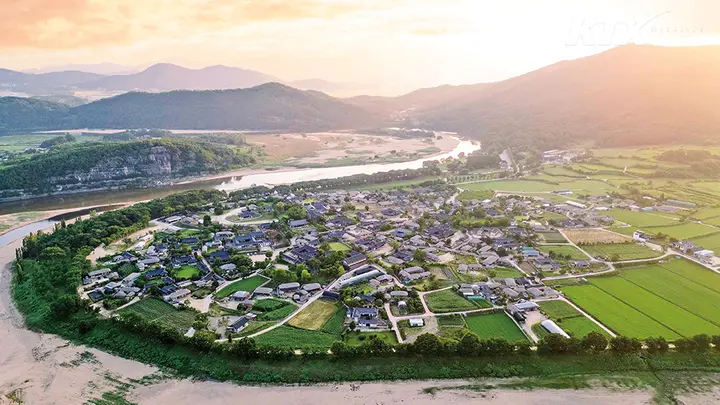
Andong is inland. The sea is more than a hundred ri away.
How did mackerel become a mountain-town specialty?
Andong is inland. The sea is more than a hundred ri away. Yet this city's signature dish is mackerel.
The secret is salt. In the old days, carrying mackerel caught off Yeongdeok over Hwangjangjae Pass to Andong took a full day, and when porters reached Chaetgeori in Imdong, they sprinkled the fish with salt so it wouldn't spoil. Over that day, the fish cured on its own and became perfectly seasoned. The hassle of the long journey turned straight into flavor. Even today, Andong grills this salted mackerel and serves it at the table.
Jjimdak is Andong's, too. It was created by the chicken shops in the market alleys: chicken braised in soy sauce with glass noodles and vegetables. You can choose the spice level, so it's fine to come with kids.
Heotjesabap has a fun name. It means eating ancestral-rite food without actually holding the rite: namul, soup, and salted mackerel served in brass bowls. When old houses that were nearly flooded by Andong Dam were moved to a folk village, those houses started selling it in the 1980s. It's a meal that shows you what kind of city Andong is in a single spread.
There are also lots of long-running spots for gukbap, handmade noodles, and chueotang (loach soup). The food isn't flashy, but much of it is easy on the stomach.
We've gathered more Andong stories and routes in the Andong travel guide.
- Randomtrip city guide · Andong introduction · Checked 2026.10.01
You might also like
Places to visit in Andong, a 1-night 2-day itinerary and the city's story
Andong, a quiet and graceful city of the yangban nobility. In Andong, an (安) means peaceful and dong (東) means east. Together, they mean a town that brings harmony to the eastern region and governs it in peace.

Donghae Travel: Places to Visit, 1-Night 2-Day Itinerary and City Stories
A city with stories that go beyond the sea. True to its name, it's the first to greet the red sunrise, and it holds the wide blue sea in its arms. But Donghae's real charm is that it doesn't stop at the sea.