
Travel Notes · Stories
Read this when you can't decide where to go this weekend. We've gathered seasonal destinations, this month's festivals, travel discounts, and the hidden stories of each city, verified together by data, travelers and our PDs.
6 story posts
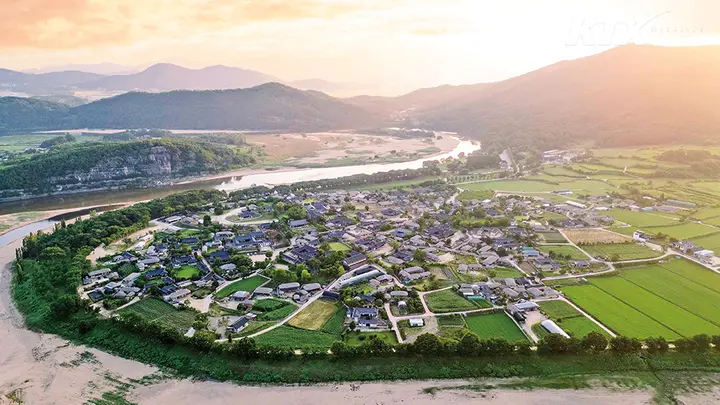
Andong salted mackerel: how did it become a specialty of a mountain town with no sea?
Andong is inland. The sea is more than a hundred li away. And yet this city's signature dish is mackerel. The reason is salt.
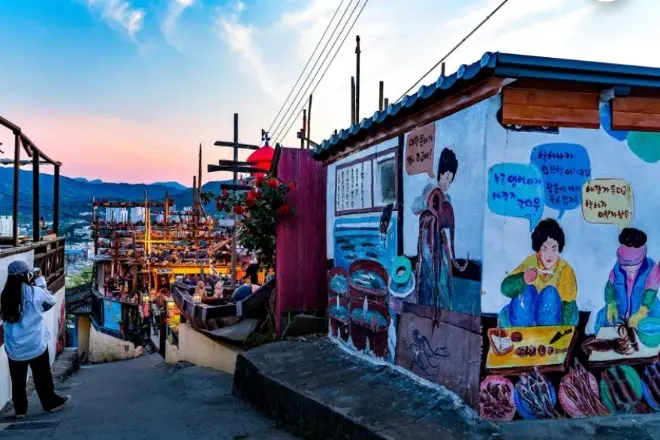
Mukho Nongoldam-gil: the story of a port village left in its steep alleys
When Mukho Port was booming, fishermen carried heavy fish crates up these steep slopes. Seawater dripping from the crates kept the dirt path as muddy as a rice paddy, so people called this place Nongol.
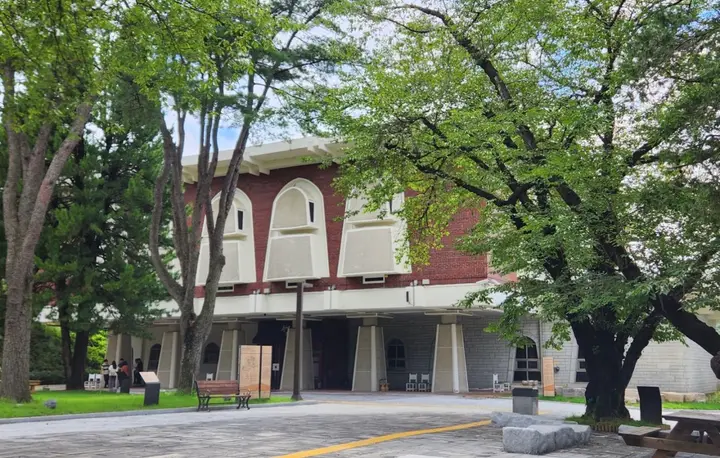
The origin of Gongju's Gukgogae: how a hill where soup was spilled became a neighborhood name
In the old town there's a slope called Gukgogae. During the Goryeo dynasty, a man named Yi Bok lived in this town. He lost his father early and lived alone with his blind mother.
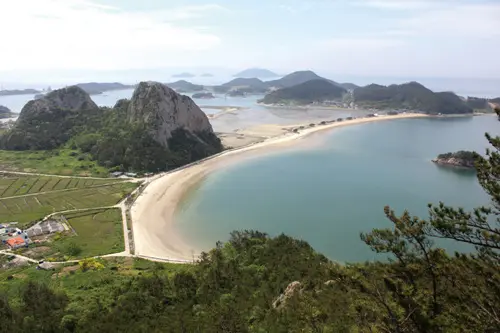
Where Gunsan's name comes from: the mountains in its name float on the sea
In Gunsan, gun (群) means group and san (山) means mountain. Together, they mean a place where mountains gather in a group. But here's the interesting part: those mountains aren't on land.
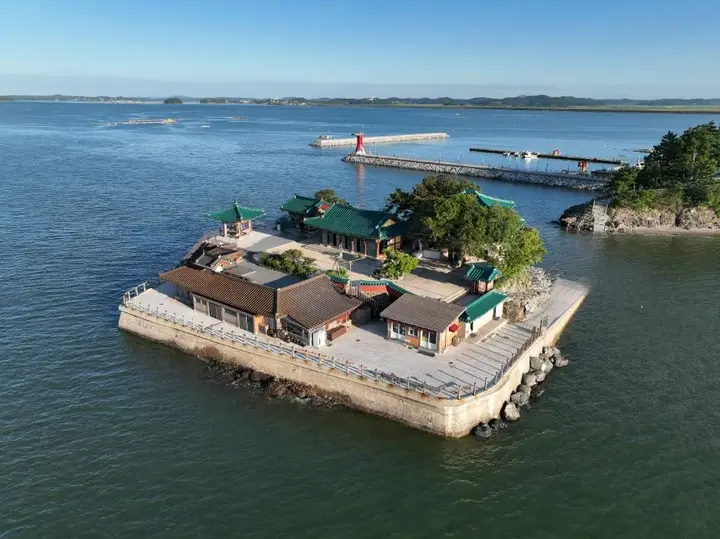
Ganwolam on Ganwoldo, Seosan: an island where the sea opens a path twice a day
This is where the sun sets most beautifully in Seosan. Ganwolam is a small hermitage that becomes an island when the tide comes in and a path when the tide goes out. Legend has it that the monk Muhak Daesa practiced here in the early Joseon period, and because he reached enlightenment while gazing at the moon, it got the name Ganwol (看月, 'looking at the moon').

The story of Yangyang's Osaek Mineral Spring: the valley where fake coins were minted
Turn your back to the sea and head 20km west, and you're at the southern foothills of Seoraksan. Jujeongol has a story behind its name. In the Joseon era, thieves disguised as monks made counterfeit coins in this remote, deep valley, which is how it got the name Jujeongol.