
The origin of Gongju's Gukgogae: how a hill where soup was spilled became a neighborhood name
In the old town there's a slope called Gukgogae. During the Goryeo dynasty, a man named Yi Bok lived in this town. He lost his father early and lived alone with his blind mother.
In the old town there's a slope called Gukgogae. During the Goryeo dynasty, a man named Yi Bok lived in this town. He lost his father early and lived alone with his blind mother.
A neighborhood named after a hill where soup was spilled
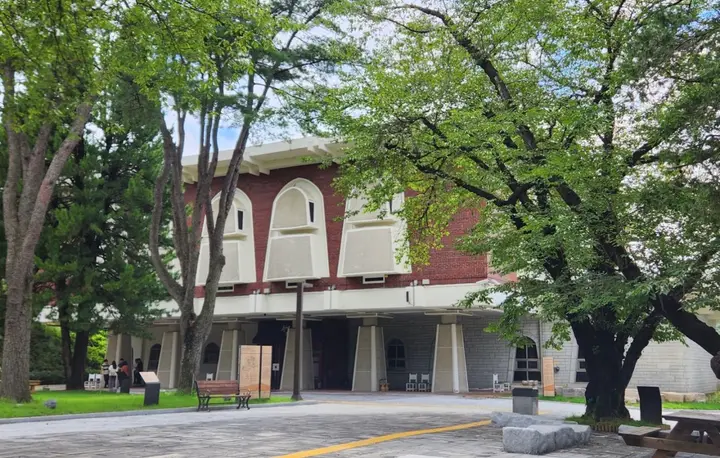
In the old part of town there's a slope called Gukgogae. During the Goryeo period, a man named Lee Bok lived in this town. He lost his father early and lived alone with his blind mother. When his mother fell ill, he did odd jobs in town every day and brought home soup and rice, until one day he spilled the soup he was carrying in his arms on this hill path. Because it was the hill where the soup was spilled, it became Gaenggyeonggol, or Gukgogae. On the plaza wall of the Chungcheongnam-do History Museum at the top of the hill, the story is carved in relief.
There's another reason soups are so common on Gongju tables. After the Chungcheong provincial office moved to Gongju in 1602, the city became the administrative center of Chungcheong-do and a crossroads where roads split in every direction. Where people gathered, markets opened, and markets had gukbap.
That's where Gongju gukbap came from. It was rice in soup served to customers on market days held every five days. Ihak Restaurant, which served market-goers starting in 1954, has been passed down through the generations and is now Saeihak Garden. They serve the rice separately instead of mixing it into the soup, so try a spoonful of the clear broth first.
Kalguksu has a slightly different character in Gongju. People who came from other regions with the provincial office each made noodles the way they tasted back home, so the broth differs from place to place. Some make it with oysters, some with meat, some with anchovies. Gogane Kalguksu by Jemincheon Stream simmers noodles made from Korean wheat as a hot pot.
On days you're craving a spicy broth, head to Donghaewon in Sohak-dong. It's only open at lunchtime and closed on Sundays. It's a Chinese restaurant that often comes up whenever people in Gongju talk about jjamppong.
If you want to go yourself
- Chungcheongnam-do History Museum — A local favorite rest spot displaying Chungnam's historical records from the Joseon era to modern times, famous for its spectacular spring cherry blossoms and azaleas
- Donghaewon — A Chinese restaurant in Gongju. It serves jjamppong and tangsuyuk. (Closed Sundays)
- Gogane Kalguksu — An old-school favorite in Gongju's old downtown, serving kalguksu in a clear, refreshing broth with tender, perfectly boiled Pyongyang-style suyuk (Closed Sundays)
- Gongju Metasequoia Road — A path along Jeongancheon Ecological Park where tall metasequoia trees form a tunnel, great for a walk through exotic scenery in any season
We've gathered more Gongju stories and routes in the Gongju travel guide.
- Randomtrip city guide · Gongju introduction · Checked 2026.10.01
You might also like
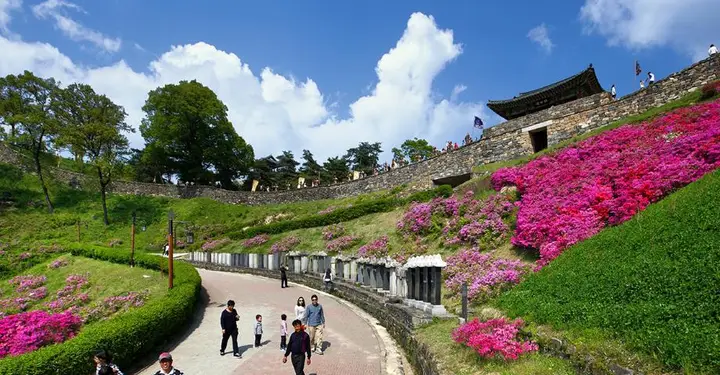
Gongju Travel: Places to Visit, 1-Night 2-Day Itinerary and City Stories
A city whose very name is full of story. Gongju locals still call one spot on the banks of the Geumgang River Gomanaru. It's the name of an old river ferry crossing lined with a thick pine grove, and also this city's old name.
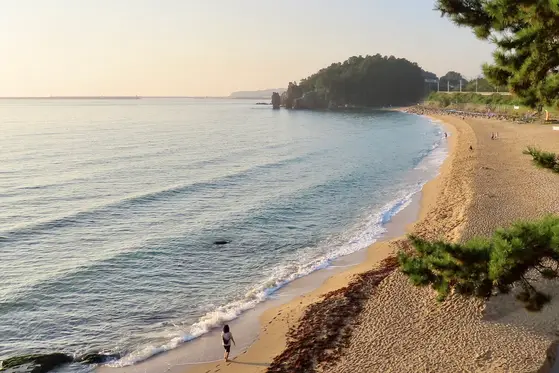
Donghae Travel: Places to Visit, 1-Night 2-Day Itinerary and City Stories
A city with stories that go beyond the sea. True to its name, it's the first to greet the red sunrise, and it holds the wide blue sea in its arms. But Donghae's real charm is that it doesn't stop at the sea.